
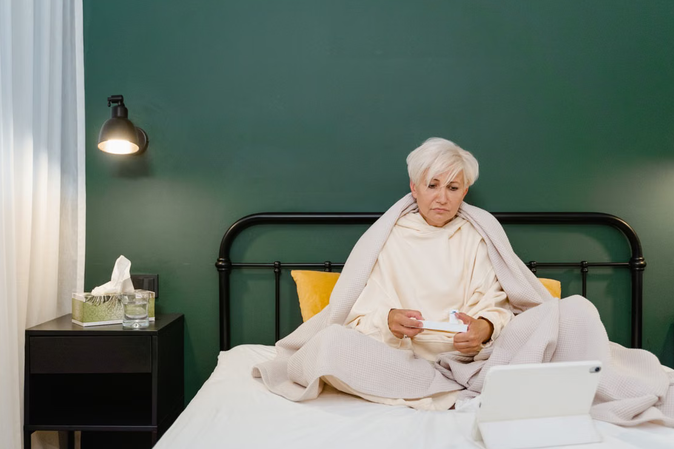
Illness can alter how people perceive the passage of time because physical discomfort shifts where attention goes. When someone experiences pain, nausea, headaches, or persistent fatigue, bodily sensations can become difficult to ignore. Attention repeatedly returns to these sensations, making ordinary activities feel slower and waiting periods seem longer. A few minutes spent managing discomfort may feel more extended than the same amount of time spent feeling well. This experience does not necessarily mean that a person’s internal sense of time is malfunctioning. Instead, illness can change the mental processes we use to interpret ongoing experiences, making time feel different from its usual rhythm.
Why Reduced Activity Can Make Hours Feel Longer
Being ill often disrupts normal routines. Work, exercise, social activities, and household responsibilities may become difficult or impossible, leaving more time spent resting or remaining in one place. When fewer events mark one period as distinct from another, the day can feel unusually slow or repetitive. People may become more aware of each passing minute because fewer engaging activities occupy their attention. This effect can be especially noticeable during prolonged recovery, when physical limitations continue even after the most uncomfortable symptoms begin to improve. The experience reflects changes in daily structure and the body’s condition, since perceived time depends on what people are doing and how much their environment demands.
How Fever and Fatigue Affect Mental Processing

Illness can influence cognitive processes involved in attention, alertness, and memory. Fever, dehydration, disrupted sleep, and exhaustion may make concentration harder, while some infections can temporarily cause confusion or altered awareness. When mental processing slows, familiar activities may feel unusually demanding, and the day’s events can become harder to track. This can affect both the immediate experience of time and how a person remembers the period afterward. Effects vary considerably depending on the illness, its severity, and individual circumstances. A mild cold may cause little noticeable change, whereas a more severe illness can substantially disrupt awareness and the perception of elapsed time.
Why Waiting for Recovery Can Feel Especially Slow
Uncertainty about recovery can make time harder to endure. Someone waiting for pain to ease or wondering when normal energy will return may repeatedly assess their symptoms and look for signs of improvement. This monitoring keeps attention focused on the passage of time and can make delays feel particularly frustrating. Expectations also matter. When people expect a treatment to work quickly, an improvement that takes longer than expected may feel disproportionately distant. Conversely, periods of illness spent watching an absorbing film or talking with someone can seem to pass more quickly because attention is directed elsewhere. These differences show how emotional expectations and engagement can shape subjective time without changing an interval’s actual duration.
Time can seem to pass differently during illness because discomfort, reduced activity, fatigue, uncertainty, and changes in attention influence how people experience and remember events. Waiting periods may feel extended when awareness stays focused on symptoms, while repetitive days can seem compressed in retrospect. These effects vary by individual and depend on the illness’s nature and severity. Although changes in perceived time are common during periods of physical discomfort, sudden or significant confusion, disorientation, or altered awareness should not automatically be attributed to an ordinary illness and may require prompt medical assessment.
…