
Gum disease is often seen as a simple oral issue, but dentists know it reaches far beyond the mouth. Many people ignore early symptoms because the discomfort seems minor. Yet science continues to show how closely gum health and heart health connect. Understanding this link helps people make better decisions about daily care and the dental services they choose. This guide explains the relationship clearly and highlights why attention to gum health supports long-term wellness.
Introduction to Gum Disease and Body Health
Gum disease begins with inflammation. Bacteria build up around the gums and trigger irritation. Over time, this irritation becomes more serious. The gums may bleed or recede. Infection takes hold when plaque hardens into tartar. What starts as a local problem soon affects the entire body. Dentists stress this point often because patients rarely see the early danger. Learning how gum disease spreads helps reduce long-term risk.
How Gum Inflammation Affects the Heart
Inflammation is one of the body’s natural defenses. But chronic inflammation becomes harmful. When gum disease persists, the inflammation does not stay in one place. Bacteria and toxins enter the bloodstream. They travel to different organs, including the heart. This movement adds strain to the cardiovascular system. The body reacts by increasing its inflammatory response. Over time, this constant pressure affects the arteries. Dentists encourage early care to stop this cycle before it becomes severe.
Bacteria and Bloodstream Complications
The mouth is filled with bacteria. Most are harmless. Some become dangerous when gum disease develops. These bacteria enter the bloodstream through bleeding gums. Once inside, they can attach to blood vessel walls. They may even contribute to plaque buildup in arteries. This buildup restricts blood flow. The process raises the risk of a heart attack or stroke. These connections may sound intense, but dentists explain them to help patients understand the hidden risks. Proper cleaning prevents bacterial spread and protects overall health.
Why Cardiologists Pay Attention to Oral Health

Heart specialists now ask more questions about oral health. They know the mouth can reveal clues about cardiovascular risk. If a patient has ongoing gum problems, it may signal inflammation somewhere else. Cardiologists want to identify sources of strain. The link between gums and the heart is not simply a theory. It is supported by growing medical research. Dentists and doctors increasingly share information to help patients gain a clearer picture. Working together leads to stronger prevention and better outcomes.
Signs of Gum Disease You Should Not Ignore
Gum disease begins quietly. Bleeding during brushing is usually the first sign. Some people dismiss it as normal. It is not. Swelling, redness, and tenderness appear next. Bad breath becomes persistent. The gums start pulling away from the teeth. These signs require immediate attention. Dentists explain that ignoring symptoms allows bacteria to grow stronger. Early treatment is far easier than dealing with advanced stages. Taking action protects both your smile and your heart.
How Dentists Treat and Prevent Gum Disease
Treatment depends on the stage of gum disease. Dentists often begin with a deep cleaning. This removes plaque and tartar from areas that regular brushing cannot reach. For more advanced cases, additional procedures may be necessary. Prevention remains the simplest path. Brushing and flossing help control bacteria. Routine checkups allow dentists to spot issues early. A clean and stable gum line reduces inflammation in the body. Consistent care offers the utmost protection against long-term complications.
Lifestyle Choices That Support Heart and Gum Health
Healthy habits support both oral and heart wellness. Eating balanced foods lowers inflammation. Drinking water helps clear bacteria. Reducing smoking and alcohol improves gum strength. Exercise boosts circulation and strengthens immunity. These habits might seem small, but combined, they offer strong protection. Many dentists remind patients that the mouth is a window to overall health. Maintaining good habits creates a unique advantage by keeping both systems stable and responsive.
Knowing how gum disease affects the heart changes how people view dental care. It is not only about keeping teeth clean. It is about protecting the body from long-term harm. Dentistry plays an important role in overall health. Awareness empowers people to act early. The more patients understand, the easier it becomes to prevent serious conditions. A healthy mouth supports a healthy heart. This connection is simple, direct, and important for everyone.…

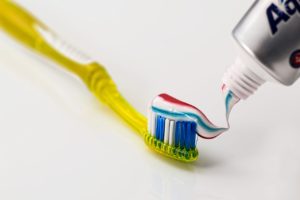
 Mouthwash is a great way to remove plaque and bacteria from your teeth and gums. A mouthwash without fluoride in its content is not potent enough to kill bacteria, so you have to make sure to get the right one for the job. Swish the mouthwash around in your mouth for 40 seconds for maximum efficacy before spitting it out. You can also gargle with mouthwash to help remove any food particles that may be stuck in your throat.
 Most of us already know that wearing braces can improve our appearance, but did you understand that it can also improve the health of our teeth? That’s because braces can help straighten your teeth, which makes them easier to brush and floss. Braces can also help close any gaps in your teeth, which prevents plaque and bacteria from building up in those areas. Moreover, if you feel bothered about visible braces, now there are invisible ones.
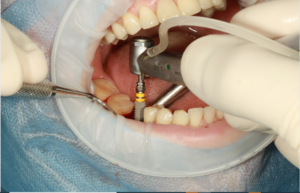 Tooth implants permanently replace the missing teeth. Patients that floss, brush twice, and receive biannual cleanings should enjoy happy, healthy smiles with implants. There are different ways implants can replace missing teeth, and the type of procedure depends on the individual. You can get single tooth implants, multiple teeth implants, and mini implants. When on a restorative dentistry consultation, determine the method that best meets your needs.
 A significant benefit of




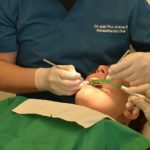 imagine what you will undergo. But that is not the case because over time there has been a new technique where by you will be sedated and you will not feel any pain. As you undergo the dental procedure, you will be comfortable and hence give the dentists easy time to complete the procedure. Dental phobia will also be dealt with when you undergo sedation dentistry.
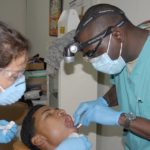 The good thing about the sedation dentistry is that you will be able to save money. This is because sedation is not expensive and is offered at very favorable prices. Similar you will be going to fewer dentists appointments because a procedure can be dome once and completed immediately.
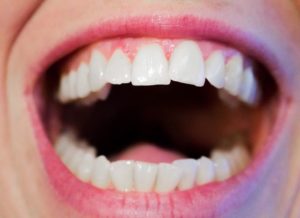 As much as the time taken to heal may vary from one person to another, it is critical to inquire how long it may take you to heal. Let the dentist give you a written plan of the treatment process after examining your teeth and having known your needs. As such, you will be in a position to plan your schedules well.